
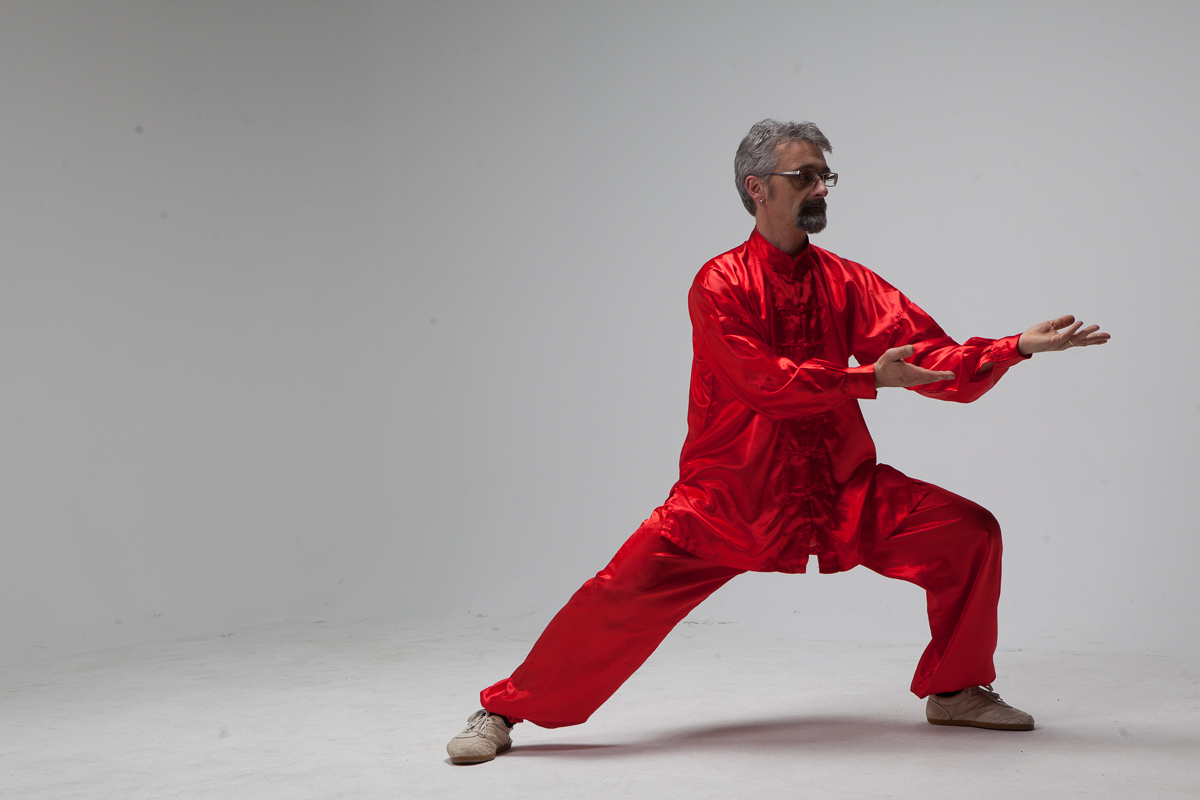
Taijiquan (Tai Chi Chuan) is an ancient Chinese art that is practiced today primarily as an exercise for health, vitality and inner balance. Through relaxed, connected movements coordinated with breathing and conscious attention, it stimulates the proper circulation of life energy (Qi), strengthens the body and mind and relieves stress. That is why it is often called “meditation in motion”, because it simultaneously cultivates physical strength, inner calm and harmony with oneself and the environment.
HEALTH EXERCISE
Taijiquan (Tai Chi Chuan) is a centuries-old martial art that is used today as a method for achieving good health, for self-defense, energy practice and as meditation in movement, and primarily as an exercise for achieving good health and is one of the most widespread forms of recreation in the world. The exercise itself is a set of interconnected movements that make up a form. The movements are performed relaxed, connected to breathing and with mental concentration. Such performance allows for the proper flow of Qi, or life energy, through the body. Qi tones tissues and organs and increases the general energy level, strengthens immunity and improves the functioning of all body systems: nervous, respiratory, cardiovascular, etc. It is also one of the best ways to relieve and overcome stress.
SELF-DEFENSE
At its core, Taijiquan is a martial art, very effective and sophisticated. It consists of a form that is a set of various techniques such as punches, grabs, twists, levers, etc., then Tui Shou pair exercises (pushing palms) and a form with weapons. In order to achieve efficiency in the application of techniques, it is necessary to unite the intention (mind), energy (Qi) and physical strength, which requires many years of intensive training, but even a light, recreational practice of Taijiquan contributes to greater relaxation, concentration, a positive attitude and better coping with everyday challenges.
ENERGY EXERCISE
Taijiquan is actually one of the most complex and demanding forms of conscious energy work, i.e. Qigong, and as such, with continuous and dedicated practice, it brings numerous benefits to practitioners in all areas of life.
MEDITATION IN MOVEMENT
Taijiquan is not only a physical exercise, but the use of the mind or concentration is one of the fundamental principles. Therefore, Taijiquan is also known as meditation in motion. By practicing the form, awareness is directed to the Dan Tien, the gravitational and energy center of the body, bringing the practitioner to a state of complete physical alertness and relaxed attention in which the mind and body act harmoniously and spontaneously.
SPIRITUAL PRACTICE
Through daily practice, Taijiquan connects us with our original nature, thus becoming a path of understanding and self-knowledge. It teaches us how to achieve harmony and unity in interaction with ourselves, others, nature and the entire universe.
HISTORY AND STYLES OF TAIJIQUAN
The origin of Taijiquan is attributed to a Taoist monk, but the latest documented research considers Chen Wangting, who lived around 1600, to be the originator of Taijiquan, known today as the Chen style from which all other styles emerged. In his research work, he managed to integrate fighting techniques with the canons of traditional Chinese medicine, energy practices and breathing techniques.
For many generations, the skills were taught exclusively within the family. The first time the skill was transferred outside the family was to Yang Luchan, who founded his own style called Yang. Other styles are the two Wu styles, Sun, Zhaobao, etc.
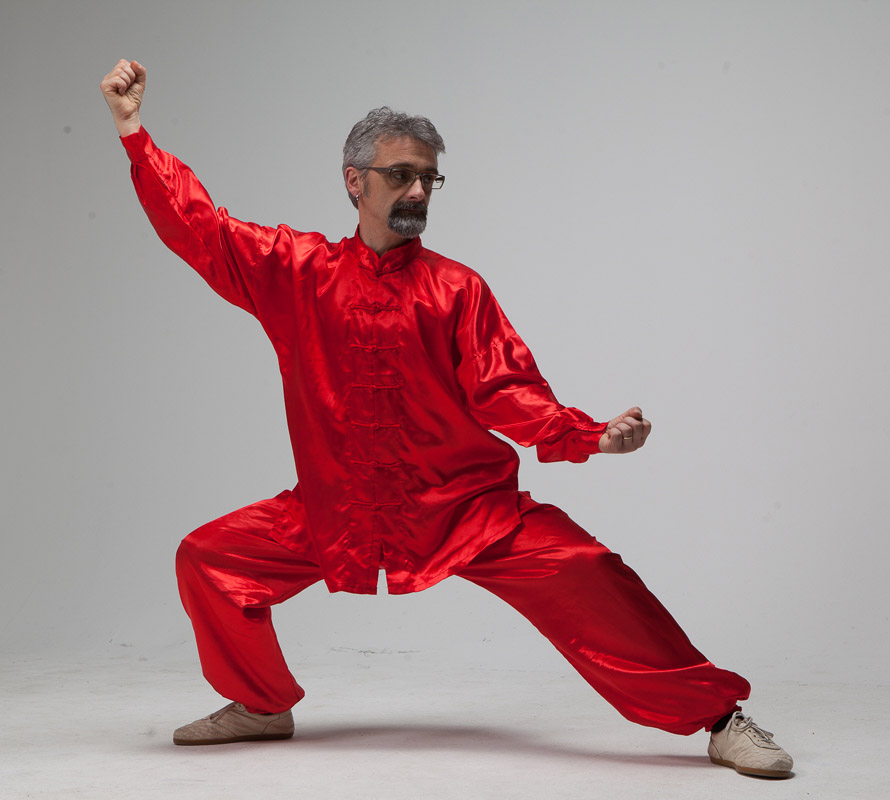
Chen (Chenjiagou) style is the original style from which all other styles of Taijiquan known today have developed. Chen, or the Chenjiagou Taijiquan branch, continued to be practiced within the family, and in the 20th century it began to be opened to the wider public, including Western seekers. The representatives are the four Grand Masters of the 19th generation, also called the four Jingangs (temple guardians), the four Buddha Warriors or the four Chinese Tigers: Zhu Tiancai, Chen Xiaowang, Chen Zhenglei, Wang Xian
The student, successor and representative of Grand Master Zhu Tiancai from the 19th generation of masters of traditional Chenjiagou Taijiquan is Master David Petrović, president of the Croatian Taijiquan Qigong Institute.
Although it is possible to practice three main styles of Taijiquan at the Croatian Taijiquan Qigong Institute: Chen, Yang and Wu, the emphasis is on traditional Chen (Chenjiagou Taijiquan).
The characteristic of the style is spiral movements and it is recognizable by the alternation of soft and slow spiral movements with fast and explosive ones (Fa Jing), it could be said that the main significance of the style is the wealth of methods with bare hands, with weapons and in pairs, and strong energy techniques within external forms that are primarily used today to maintain good psychophysical health and to face everyday challenges more easily.
The traditional Chen style consists of three methods or schools: Lao jia (old), Xin jia (new) and Xiao jia (small). Both methods, Lao jia and Xin jia, consist of two forms Yi lu (first form) and Er lu (second form) also known as Pao chui. All three methods also have forms with weapons, namely: sword, saber, two sabers, spear, halberd and fan. One of the characteristic methods of Taijiquan are exercises in pairs Tui shou or pushing palms. There are five methods of these exercises in the Chen style. And finally San shou or free fight.
Our school follows the method and program of Master Zhu Tiancai, XIX. the generation of masters from Chenjiagou, one of the four Jin Gangs, guardians of knowledge, the greatest masters of the 19th generation, chosen guardians of the Chenjiagou Taijiquan tradition, and Master David Petrović is his official representative and successor.
Program:
1st course:
- Taiji Qigong
- Chan si gong – silk winding exercises
- Lao ji Form 4 – four basic steps
2nd course:
- Lao jia form 13
3. advanced courses;
- Laojia Yi lu 72 – traditional first old long form
- Tui shou – pushing palms
- Taiji Jian – sword form
- Laojia Er lu – Paochui – traditional second old long form
- Taiji Dao – saber form
- Xinjia Yi lu – traditional first new long form
- Xinjia Er lu – traditional second new long form
- Fa jing form 42
- Other forms with weapons
The Chen style is the source from which Taijiquan originated. Dear current and future Taijiquan lovers – Welcome to the Source.
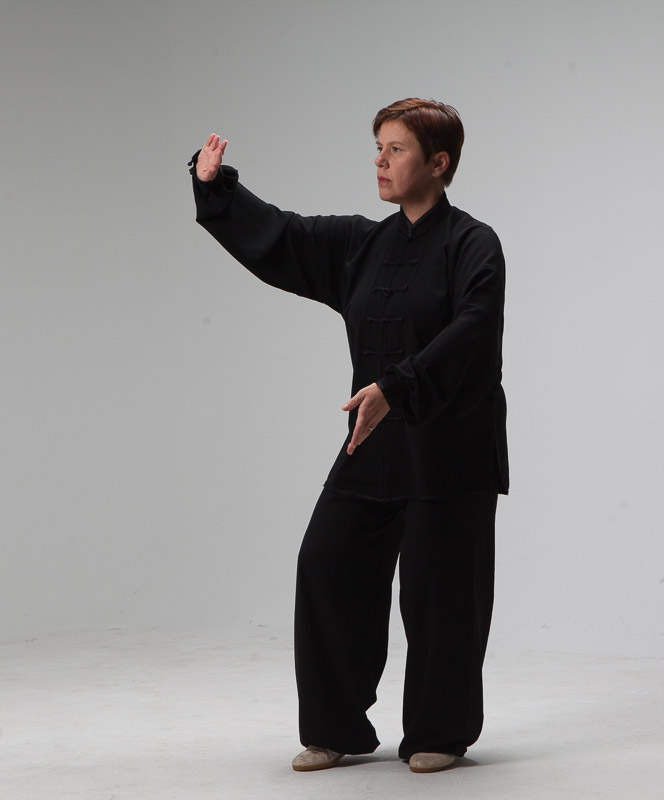
The founder is Yang Lu Chan, who was the first person outside the Chen family to be taught within the Chen family. The form of this style known today was systematized by his grandson Yang Cheng Fu. The Yang style is the most widespread in the world today thanks to shortened forms such as Yang 37 and Yang 24. Although we have experience in teaching Yang forms 42, 40, 108,…, the Yang 24 form, created in the 1950s, is, thanks to its relative simplicity and brevity, the most popular. The characteristics of the style are: simple movements and slow and easy execution that relaxes and leads to an improvement in the physical and energetic state. It contains all the basic principles of the skill, so it is the best for getting to know Taijiquan. Also, due to its relaxing and calming effect, it is a useful anti-stress method in all circumstances.
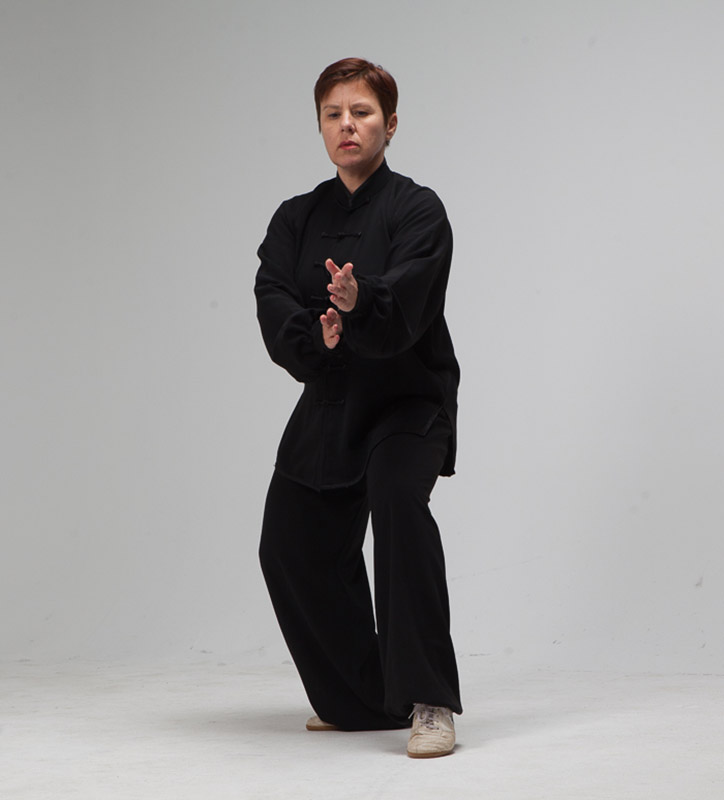
The Wu style attaches special importance to the health aspect as a fundamental element of improving the quality of life. The main characteristic of this style is the combination of simple fluid movements and static positions. The static position allows for body awareness and has an immediate and profound effect. This method of training increases the overall energy potential and develops strength and resistance on a physical and emotional level.
Simple movements and high stances allow this special style of Taijiquan to be practiced by people with poor health and fitness. It is ideal for those who are encountering this type of exercise for the first time. With constant practice over a period of 3 to 6 months, it is possible to achieve transformation on a personal level, both physically and emotionally, and achieve a high level of health, happiness, and harmony. Due to its powerful healing effect, it is suitable for people with chronic ailments and senior citizens, for whom, upon request, we create and conduct programs in accordance with their needs.
Get the latest news by subscribing to our Newsletter
Read our Privacy Policy.
After subscribing to the Newsletter, we will send you a free Hun Yuan Qi meditation for empowerment and deep relaxation.

